

Skip to content
Policy FAQ
   
(908) 210-9335
   
Now Available: Cherry Payment Plans!
Are you interested in paying in installments with Cherry payment plans? Get pre-approved today! Applying won’t harm your credit!
graphical user interface, website

What are the Benefits of Using Cationic Surfactants in Products?

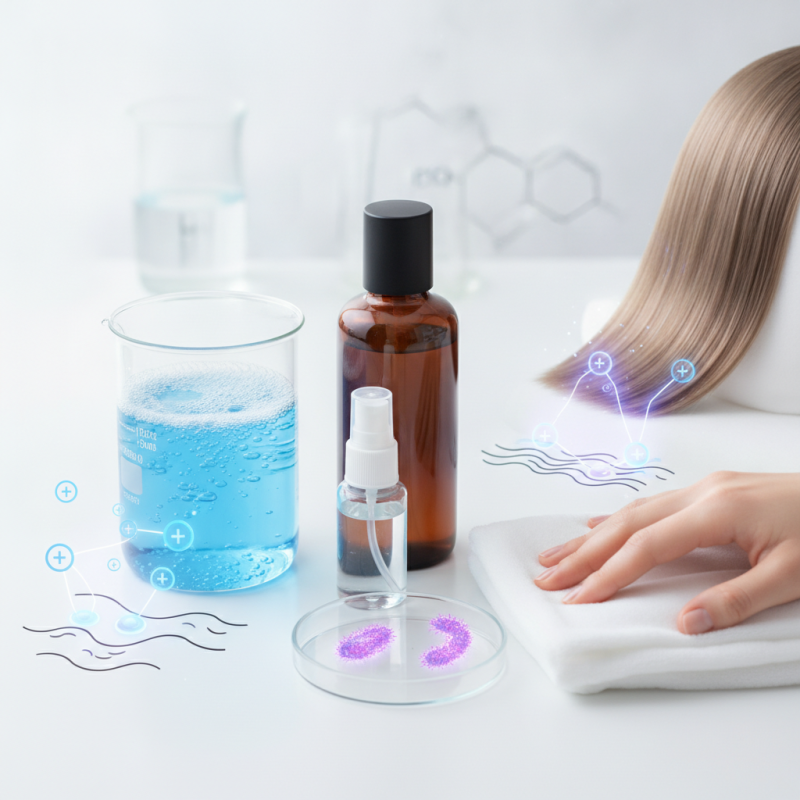
Cationic surfactants are vital in various products due to their unique chemical properties. These compounds possess a positive charge, which allows them to interact effectively with negatively charged surfaces. This interaction enhances their ability to reduce surface tension, making them ideal for use in detergents, conditioners, and disinfectants.

The benefits of cationic surfactants are numerous. Their antimicrobial properties make them effective in personal care products. They also provide a soft feel and improved manageability in hair care formulations. However, not all cationic surfactants are created equal. Some can be harsh on sensitive skin, raising questions about their safety.

Despite some concerns, the benefits often outweigh the drawbacks. Remarkable versatility makes cationic surfactants a popular choice in the industry. Their role in enhancing product performance cannot be overlooked. An understanding of both the advantages and potential issues is crucial. This balance helps consumers and manufacturers make informed decisions when selecting these ingredients for their formulations.
What are the Benefits of Using Cationic Surfactants in Products?

Definition and Characteristics of Cationic Surfactants

Cationic surfactants are fascinating compounds in the world of chemistry. These are molecules that carry a positive charge and are commonly used in personal care products. Their unique structure allows them to bond well with negatively charged surfaces, such as hair and skin. This property makes them effective in conditioners and lotions, providing a silky feel and improved manageability.

These surfactants possess several characteristics worth noting. They have excellent antibacterial properties, which can help reduce pathogens. This feature can enhance the safety of products and increase their appeal to consumers concerned about hygiene. Moreover, cationic surfactants show great compatibility with surfactants that have different charges. This versatility allows for custom formulations that meet specific needs.

However, there are aspects to consider. Not all cationic surfactants are eco-friendly. Their degradation in natural environments can be slow, raising concerns about long-term effects. Additionally, overuse may lead to buildup on hair or skin, resulting in heaviness. Product designers must balance these factors and strive for formulations that maximize benefits while minimizing drawbacks. Understanding these nuances is essential for responsible product development.
Common Applications of Cationic Surfactants in Consumer Products

Cationic surfactants are widely used in various consumer products. Their unique properties make them ideal for personal care items, household cleaners, and fabric softeners. These surfactants have a positive charge, allowing them to bind efficiently to negatively charged surfaces. This quality helps to improve product performance and user experience.

In personal care, cationic surfactants enhance formulations in shampoos and conditioners. They provide conditioning benefits, leaving hair smooth and manageable. Their antibacterial properties also contribute to skin and scalp health. In household cleaning products, these surfactants help to remove dirt and oil. They improve the efficacy of disinfectants, ensuring a thorough clean. Fabric softeners leverage their properties to reduce static cling and add softness, making clothes feel more comfortable.

However, there are considerations with cationic surfactants. They can be sensitive to pH changes, affecting stability. Their environmental impact is also under scrutiny. Consumers are increasingly concerned about sustainability. Balancing effective cleaning with responsible sourcing is essential for future formulations. Continual advancements in this field are necessary to address these challenges while maximizing benefits.

Advantages of Cationic Surfactants for Skin and Hair Care

Cationic surfactants are gaining attention in skin and hair care for their unique benefits. They possess a positive charge, which allows them to bond effectively with the negatively charged surfaces of hair and skin. This interaction enhances moisture retention, leading to softer and healthier hair. Users often notice improved manageability and reduced frizz with regular use.

These surfactants also offer antimicrobial properties. They can help maintain a clean and healthy scalp by eliminating harmful bacteria. This aspect may promote better hair growth over time. However, some individuals might experience sensitivity or buildup if used excessively. It’s essential to find a balance that suits your specific hair type and condition.

Moreover, cationic surfactants can improve the feel of products. They create a smooth texture and provide a luxurious experience during application. Yet, not everyone may appreciate their rich consistency. Some may prefer lighter formulations that don’t weigh their hair down. Exploring different cationic surfactants can help consumers identify what works best for them while acknowledging the trade-offs involved.

Environmental Considerations and Safety of Cationic Surfactants

Cationic surfactants are widely recognized for their effectiveness in personal care and cleaning products. However, their environmental impact raises significant concerns. Research has shown that these surfactants can be toxic to aquatic life. A report from the European Chemicals Agency indicates some cationic surfactants can harm fish and other aquatic organisms. This toxicity can disrupt marine ecosystems, leading to a loss of biodiversity.

Despite their benefits, the safety of cationic surfactants must be examined closely. They can accumulate in the environment, posing long-term risks. Studies indicate that the degradation rates of these substances may vary, raising questions about their persistence in ecosystems. Additionally, exposure to cationic surfactants may result in skin irritation in humans, necessitating stringent regulations in product formulations.

The industry is moving toward more sustainable alternatives. Biodegradable cationic surfactants are being developed. These alternatives can minimize environmental impact while maintaining performance. Still, achieving a balance between efficacy and safety remains a challenge. Continuous research and assessment are vital to ensure these substances can be used without posing risks to health or the environment.

Future Trends and Innovations in Cationic Surfactant Use

The future of cationic surfactant use looks promising, driven by innovation and consumer demand for sustainability. Researchers are exploring natural sources for cationic surfactants. This shift addresses environmental concerns while maintaining product efficacy. Utilizing plant-based materials may enhance biodegradability and reduce harmful impacts.

Moreover, advancements in formulation technology are making cationic surfactants more versatile. Manufacturers are experimenting with various combinations to improve performance in personal care products and home cleaning solutions. Enhanced conditioning agents in hair products can provide better moisture retention and improved manageability.

However, challenges remain. Balancing efficacy with sustainability requires ongoing research. Some formulations still rely on synthetic compounds, raising questions about their long-term impact. More work is needed to ensure that innovations not only meet user needs but also promote ecological safety. As trends evolve, industry stakeholders must prioritize ethical practices and transparent communication about ingredient sourcing and impacts.

Benefits of Using Cationic Surfactants in Products

The chart above illustrates the various benefits of using cationic surfactants in products, showcasing the percentage each benefit contributes to overall effectiveness. Key advantages include improved foaming, better conditioning, and enhanced stability, which highlight the relevance of cationic surfactants in modern formulation.

Back To Top Skip to content